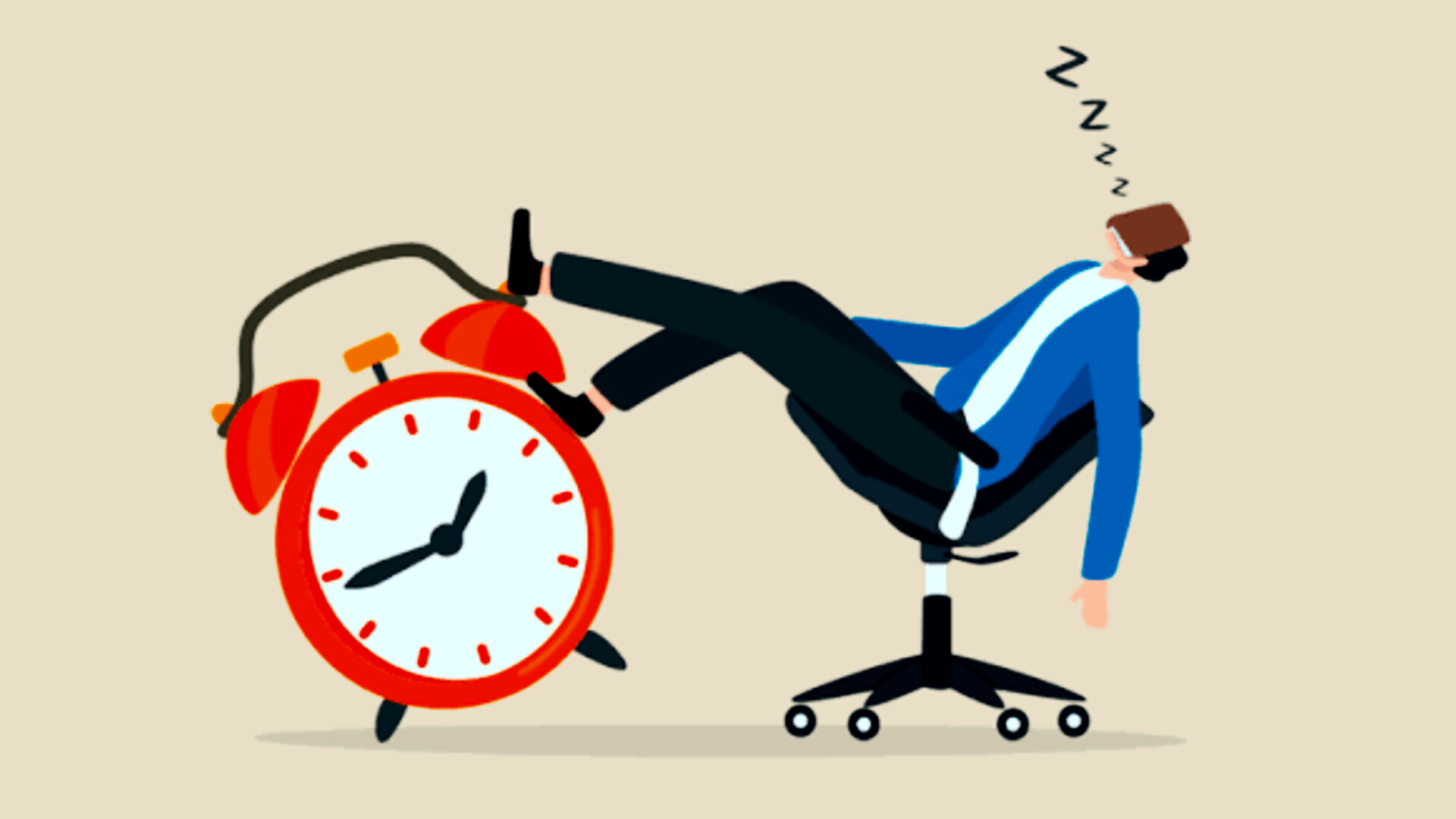
Procrastination. It’s that sneaky villain that whispers, “You can start tomorrow,” while your exam date creeps closer. For students preparing for competitive exams, procrastination isn’t just a harmless habit—it’s a productivity killer that can determine success or failure.
Understanding why you procrastinate and how to combat it is crucial for anyone aiming to perform at their best. Let’s dive into the science behind procrastination and practical solutions to overcome it.
1. The Science of Procrastination
Procrastination is not simply a matter of laziness. Research in psychology and neuroscience shows it’s often linked to how your brain handles reward, stress, and self-regulation.
Here’s what’s happening inside:
a) The Role of the Prefrontal Cortex
The prefrontal cortex, located at the front of your brain, is responsible for decision-making, planning, and self-control. When you procrastinate, your prefrontal cortex struggles to manage impulses, prioritizing short-term pleasure over long-term goals. That’s why scrolling through your phone or binge-watching a series feels more appealing than solving a tricky math problem.
b) Instant Gratification vs. Delayed Rewards
Competitive exam preparation requires sustained effort with delayed rewards—you study today, but results show months later. The brain is wired to prefer instant gratification, which is why tasks with immediate rewards (like social media) often win over exam prep. Neuroscientist Dr. Piers Steel calls this the “procrastination equation”, where procrastination increases when task value is low and immediate mood repair is high.
c) Fear and Anxiety
Ironically, fear can fuel procrastination. Students often delay preparation because:They fear failure or not performing well.They feel overwhelmed by the syllabus.They doubt their abilities, leading to avoidance.Psychologists call this “avoidance-based procrastination”, where avoiding a task temporarily reduces stress but increases long-term anxiety.
d) Perfectionism
Perfectionism can trap you in a cycle of procrastination. If you believe, “I must study perfectly, or it’s useless,” you might delay starting. Researchers suggest that high personal standards combined with self-criticism increase procrastination tendencies.
2. Common Triggers for Students
Understanding the triggers can help you pinpoint why you procrastinate.
Some common triggers include:
- 1. Overwhelming syllabus – Feeling the content is too vast to start.
- 2. Lack of clarity – Not knowing where to begin or what strategy to follow.
- 3. Distractions – Phones, social media, gaming, or noisy study environments.
- 4. Low motivation – Feeling disconnected from your goal or lacking a clear “why.”
- 5. Fatigue and burnout – Tired brains have weaker self-control and are more likely to procrastinate.
3. Solutions Backed by Science
The good news: procrastination is not permanent. With deliberate strategies, you can train your brain to overcome it.
a) Break Tasks into Micro-StepsWhen the syllabus seems overwhelming, the brain resists. Breaking it into tiny, manageable chunks reduces anxiety and creates a sense of achievement. For instance, instead of “Finish 100 pages today,” start with “Complete 5 pages now.” This leverages the Zeigarnik effect—our brain likes completing tasks, boosting motivation for the next step.
b) Use the Pomodoro Technique
The Pomodoro Technique is a proven method for focus. Set a timer for 25 minutes of intense study, followed by a 5-minute break. Research shows structured intervals enhance concentration, reduce fatigue, and help train the prefrontal cortex for better self-control.
c) Reward Yourself Strategically
Since procrastination often comes from chasing immediate rewards, create mini-rewards for study milestones. For example: after completing a chapter, watch a short video, have a snack, or take a 10-minute walk. This leverages your brain’s dopamine system without derailing your preparation.
d) Change Your Environment
Your environment shapes your behavior. Studies indicate that distraction-free, organized study spaces significantly reduce procrastination. Keep phones away, use noise-cancelling headphones, or try a library or quiet café to condition your brain for focus.
e) Use Implementation Intentions
Instead of vague goals like “I’ll study tomorrow,” use specific plans:“I will study physics from 5–6 PM in the library and complete 10 questions.”Research shows implementation intentions increase follow-through by creating a mental link between context and action.
f) Address Fear and Perfectionism
Reframe failure: View mistakes as learning opportunities. Set realistic goals: Aim for progress, not perfection.
Mindfulness and meditation: Studies show mindfulness reduces anxiety and improves focus. Even 10 minutes a day can help you start tasks without fear.
g) Track Your Progress
Keeping a visual tracker—like a calendar or checklist—reinforces a sense of accomplishment. Seeing completed tasks releases dopamine, motivating you to continue.
h) Strengthen Your Motivation
Procrastination decreases when your “why” is clear.
Reflect on: Why do I want to clear this exam?What opportunities will it open for me?Writing your motivations down or visualizing success activates your brain’s reward pathways, enhancing motivation.
4. Building Long-Term Habits
Combatting procrastination isn’t just about short-term fixes; it’s about building study habits that stick.
1. Consistency over intensity – Studying consistently for 2–3 hours daily beats occasional 8-hour marathons.
2. Morning focus – Research shows cognitive performance peaks in the morning. Tackle difficult topics first.
3. Accountability partners – Study groups or mentors help keep you on track.
4. Self-compassion – Avoid self-punishment for procrastination. Accept slip-ups and return to your plan.
5. Final Thoughts
Procrastination is a natural, scientifically explainable behavior. It arises from your brain’s wiring for instant rewards, fear of failure, and perfectionism. But it can be overcome with small steps, structured planning, mindful self-awareness, and habit-building.
Remember, the journey to cracking a competitive exam is a marathon, not a sprint. Start with one micro-task today, one chapter tomorrow, and build momentum. With understanding, strategy, and persistence, procrastination transforms from a roadblock into a manageable challenge—and eventually, a habit of discipline becomes your strongest ally.
Procrastination is not a flaw—it’s a signal from your brain that smarter strategies are needed. Listen to it, adjust your approach, and watch your productivity—and confidence—soar.
Leave a Reply